
Nineteen of Wirral's 68 council-run schools expect to end March 2027 in deficit, six of them special schools. Sixteen face a Notice of Concern on spending.
Nineteen of Wirral’s 68 council-run schools expect to be in deficit by the end of March 2027, and 16 are to be issued with a formal Notice of Concern over their finances. Six of the 19 are special schools.
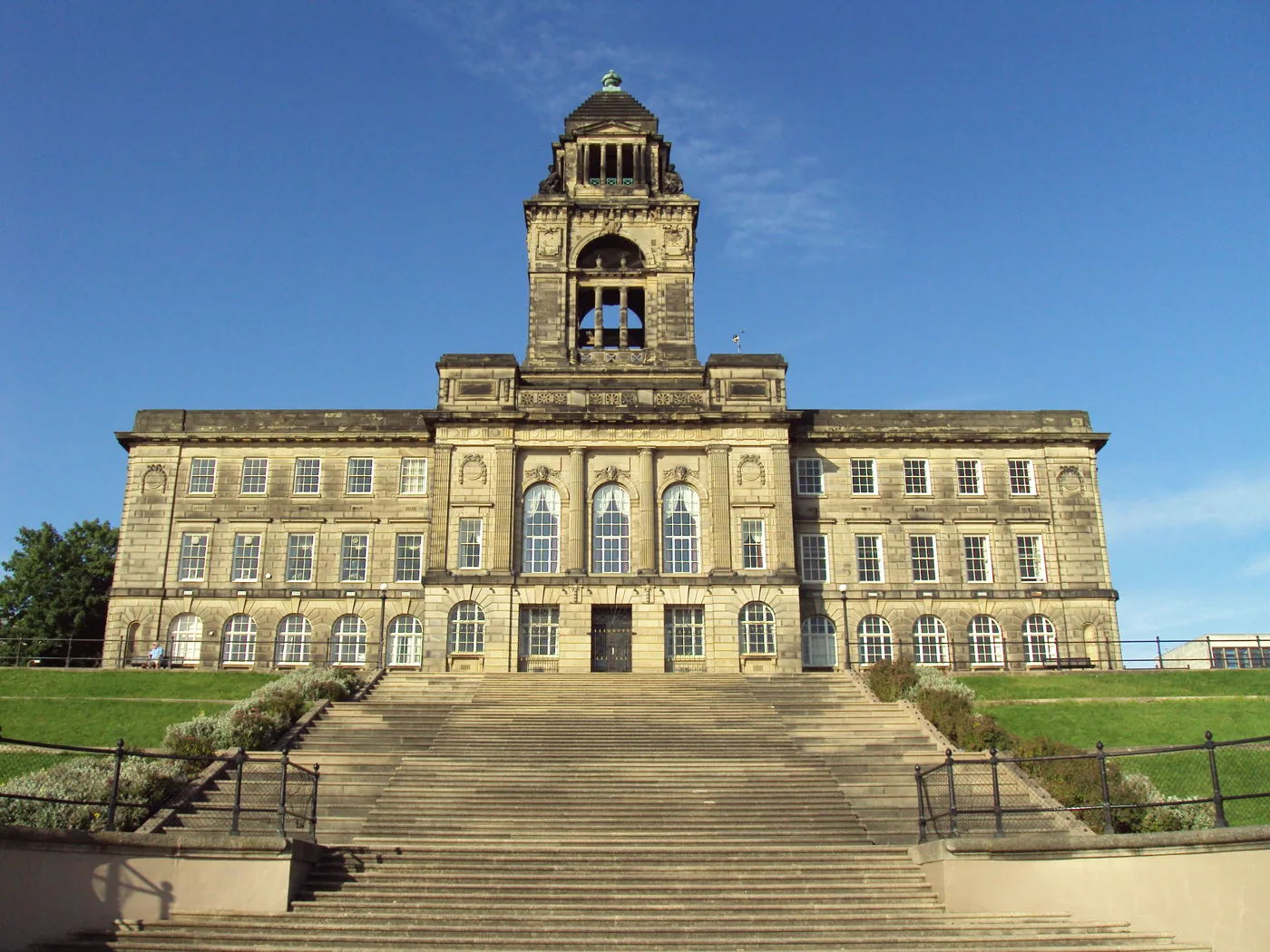
The figures are in a report on school balances to the Wirral Schools Forum, which meets at Wallasey Town Hall at 5pm on Tuesday 17 November. The forum brings together headteachers, governors and council officers. The report is from the council’s interim director of children, families and education.
The figures cover maintained schools only, the ones the council still runs. Academies manage their own budgets and are not included. Ten schools converted to academies during 2025/26.
Which schools are in trouble
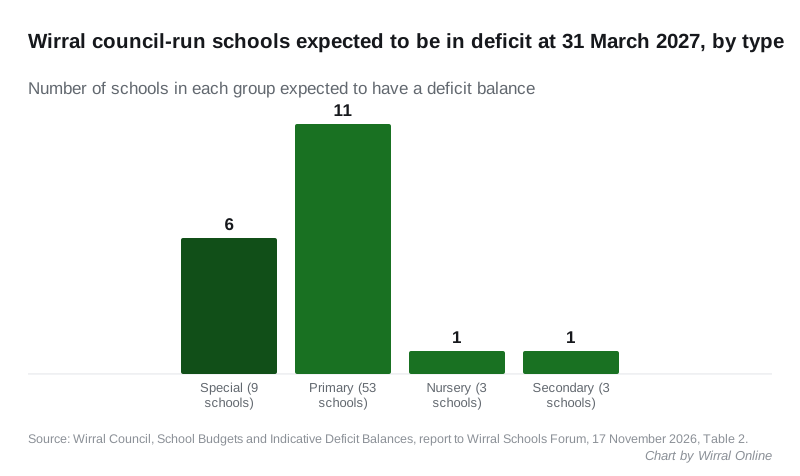
The report’s Table 2 sets out how many schools in each group expect a deficit balance at 31 March 2027:
| School type | Schools | Expected in deficit | Share |
|---|---|---|---|
| Nursery | 3 | 1 | 33% |
| Primary | 53 | 11 | 21% |
| Secondary | 3 | 1 | 33% |
| Special | 9 | 6 | 67% |
| Total | 68 | 19 | 28% |
That is one fewer than the 20 schools in deficit in March 2026. The report puts the average deficit at £405,000.
It also says:
- three schools currently need a licensed deficit, which is a formal agreement with the council to run at a loss while they recover
- three schools that ended 2025/26 in deficit are projected to be back in credit by the end of this year
- 16 schools are to be issued with a Notice of Concern
The report does not name any school.
Reserves are running down
Taken together, Wirral’s council-run schools held £4.87m in reserve at 31 March 2026. That was £0.9m less than a year earlier, once the 10 academy conversions are allowed for.
The schools’ own budget plans show that reserve falling by £2.4m this year, to £2.48m. By March 2028 they project a combined deficit of £4.36m, a further fall of £6.8m.
Special schools are the main reason. Their combined deficit was £776,000 in March 2026. They expect it to reach £2.41m in March 2027 and £4.73m in March 2028. Primary schools as a group expect to go from £4.46m in hand to roughly break-even over the same period.
The report gives a caveat. It says these projections “tend to be more pessimistic, or cautious, than the final outturn”, because income often arrives late in the year and schools heading for deficit watch spending more closely.
It blames pay awards, utility bills, other inflation and changes in pupil numbers. A second paper to the same meeting adds rising demand for special educational needs support.
What a Notice of Concern means
The council has rewritten its process for schools that cannot balance their books. The revised process says that while a Notice of Concern is in place:
- every recruitment decision and every change to a staff contract must be approved by the director of children, families and education, or a deputy
- no new contract for goods or services can be signed or extended without the same approval
- spending on health and safety, safeguarding and early years education is exempt
The notice stays until the school’s finances improve enough that it can reach a balanced budget. A school asking for a licensed deficit must show how it will balance within three years, or four in exceptional cases. If no plan is agreed, the notice follows.
The balances report says council finance staff are working with schools to plan any cuts to staff numbers or hours. It says that in “a number of cases” this is leading schools to consider redundancies.
Governors and audits
The council set up a budget working group of headteachers, business managers, bursars and officers. It sent a questionnaire to maintained schools. The second paper lists what it found:
- knowledge of financial responsibilities “varied considerably” between schools
- governors’ understanding of their duties to oversee and challenge spending was inconsistent
- council services were working separately and missing chances to coordinate
- school audits “frequently identified recommendations” on governance, internal controls and financial planning
In response the council has written a five-session training course on finance, governance and audit for headteachers, business managers and governors. It says the course will be run from existing resources.
The bigger schools deficit
These balances are separate from the much larger deficit on the council’s high needs budget for special educational needs. The forum’s minutes from 29 September record that deficit at £66.4m at the end of 2025/26, forecast to reach £117.7m by the end of 2026/27. It sits alongside the council’s own £52.3m budget gap for 2027/28.
What it means for you
- If your child is at a council-run school: the report does not say which schools are in deficit. A school’s governing body sees its budget at least six times a year under the revised process, so governors are the people to ask.
- If your child is at a special school: two thirds of Wirral’s maintained special schools expect to be in deficit by March. The report does not say whether places or support will change.
- If you work in a school: a Notice of Concern means hiring and contract changes go through the council’s education director. The report says some schools are already considering redundancies.
- If you want to watch: the forum meeting on 17 November is listed for webcast on the council’s meeting page.
Have your say