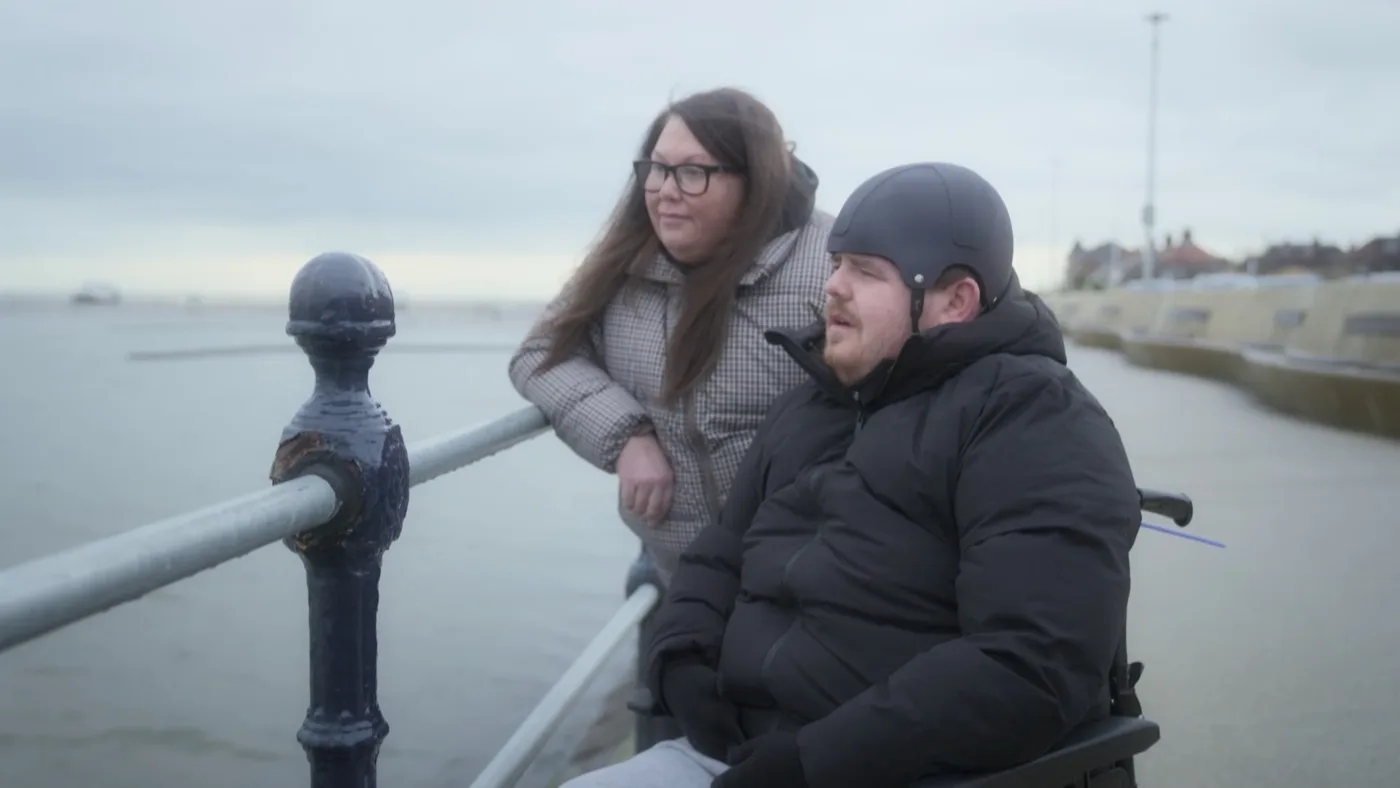

Dan, a 28-year-old dancer, spent nine months relearning skills at Clatterbridge after a stroke. Channel 4 shows the second episode at 10pm on 2 November.
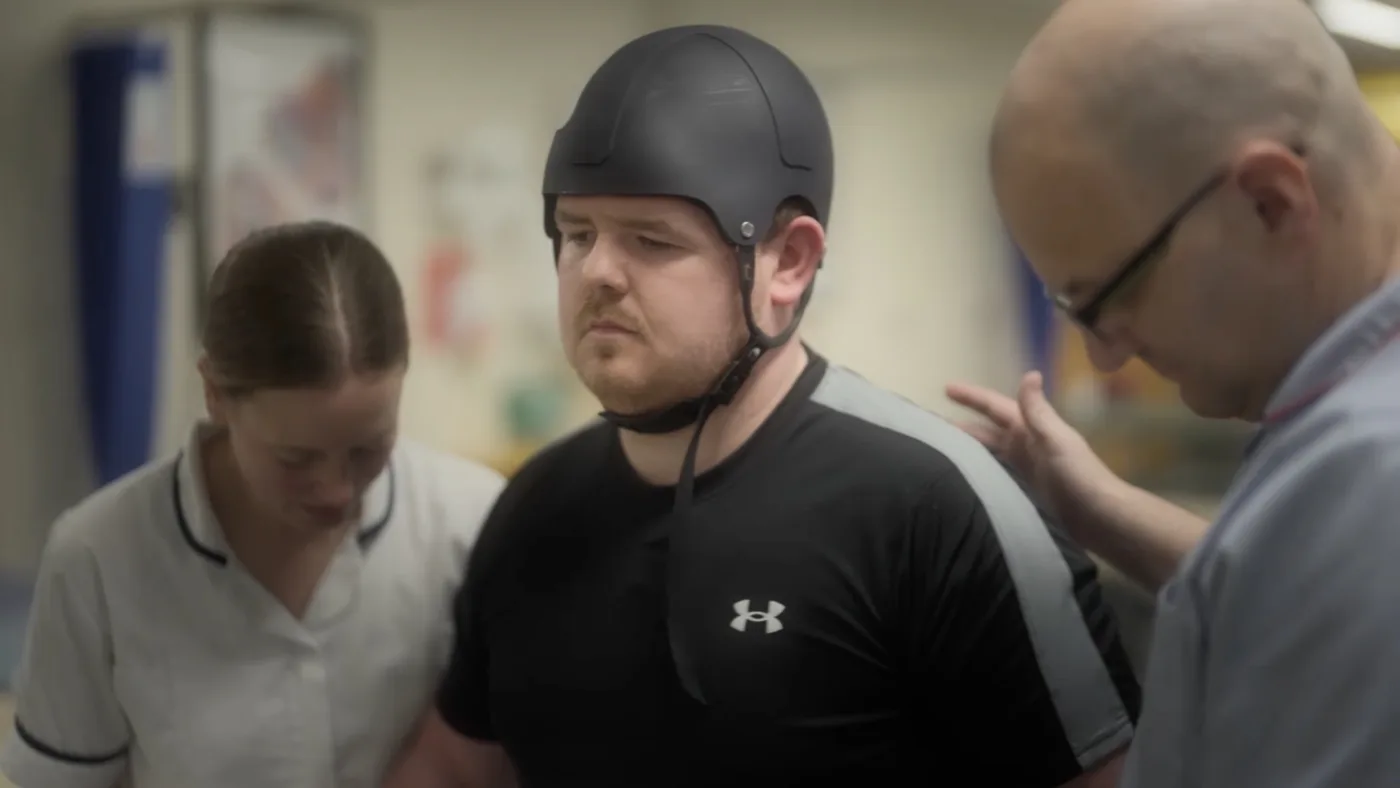
A 28-year-old dancer who had a severe stroke is one of three young survivors followed in a two-part Channel 4 documentary, and much of his story was filmed at Clatterbridge. Trauma: My Broken Brain follows Dan through nine months of rehabilitation at Wirral University Teaching Hospital’s Clatterbridge Rehabilitation Centre (CRC). The first episode went out on Monday 26 October; the second and final episode is on Channel 4 at 10pm on Monday 2 November. Both are on channel4.com.
The hospital trust shared Dan’s story today, 29 October, which is World Stroke Day. The programme was commissioned by Channel 4 in partnership with the Stroke Association and made by Stream Media Group.
From The Walton Centre to Clatterbridge
Dan’s life changed completely when he had the stroke, the trust says. He had emergency surgery and his first rehabilitation at The Walton Centre, then moved to CRC, a ward at the Wirral trust dedicated to stroke rehabilitation, for the next stage of his recovery.
When he arrived there, he faced significant problems with his speech, communication, mobility and independence. Over the following nine months a team of physiotherapists, occupational therapists, speech and language therapists, nurses, psychologists and support staff worked with him to rebuild those skills.
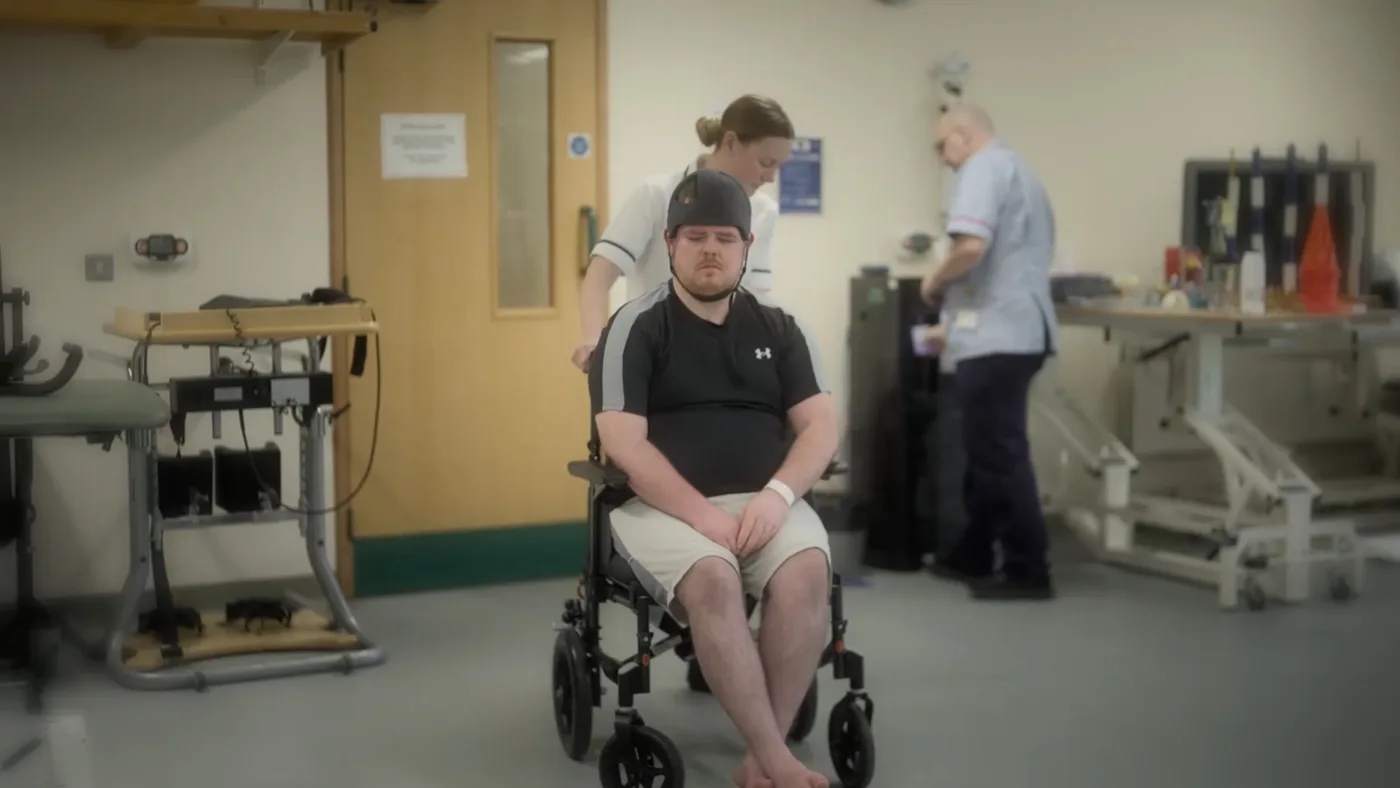
The documentary, the trust says, shows the physical, emotional and cognitive challenges stroke survivors can face and the determination recovery takes, as Dan works towards his own goals and adjusts to life after a stroke.
“Recovery after stroke is never a straight line”
Katy Armstrong, Clinical Lead Physiotherapist at CRC, appears in the programme. She said:
“Recovery after stroke is never a straight line, and is individual for each person. Dan’s determination, resilience and commitment to recovering were remarkable. He took every opportunity and worked incredibly hard.
“It was such a privilege for me and the whole team to be a part of his rehabilitation journey, to support him and to witness the fantastic progress he made during his time with us.
“We hope this documentary will raise awareness of the impacts and challenges a stroke can cause, and the importance of access to multidisciplinary rehabilitation to help rebuild a person’s skills, confidence and life after a stroke.”
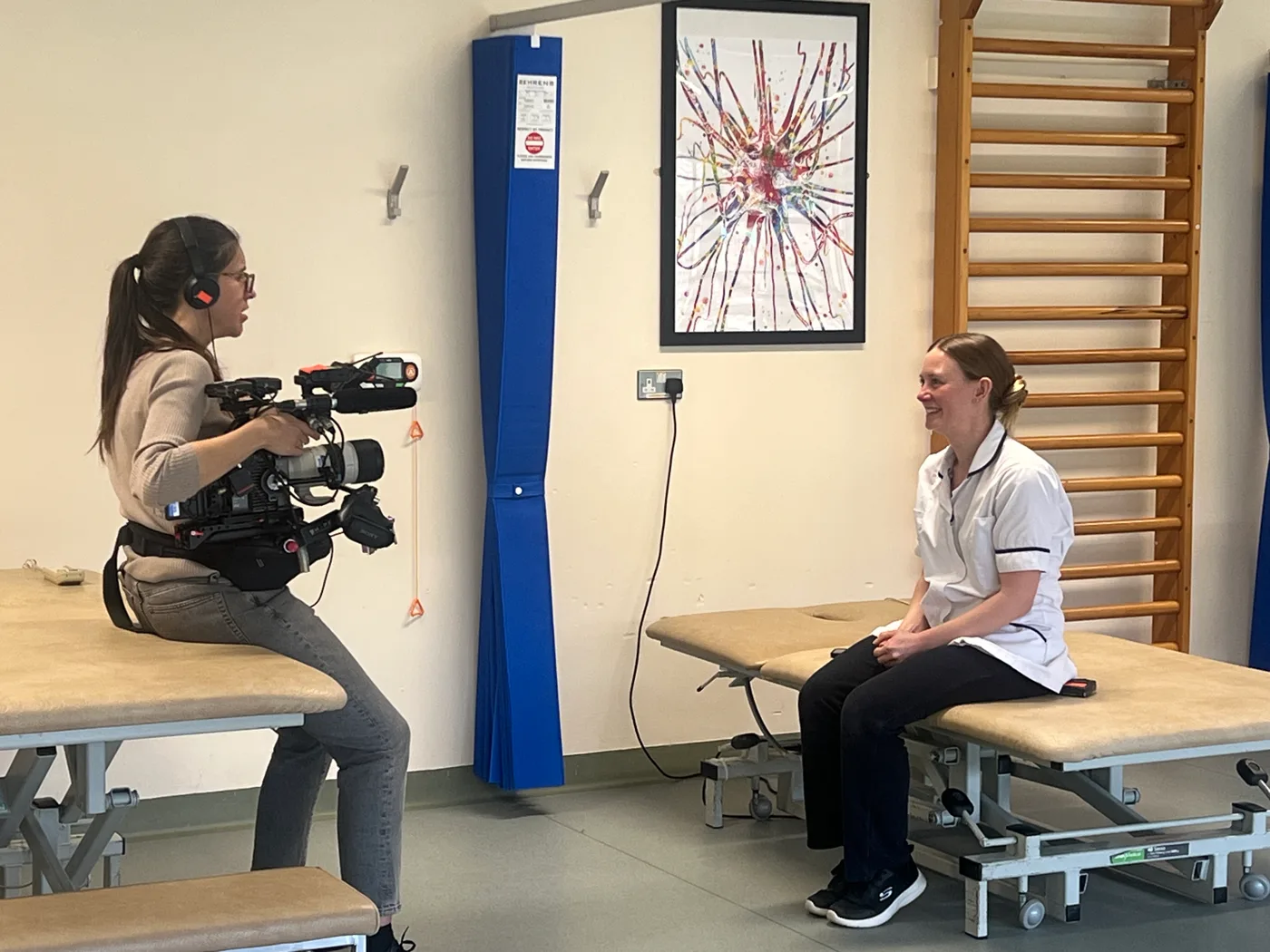
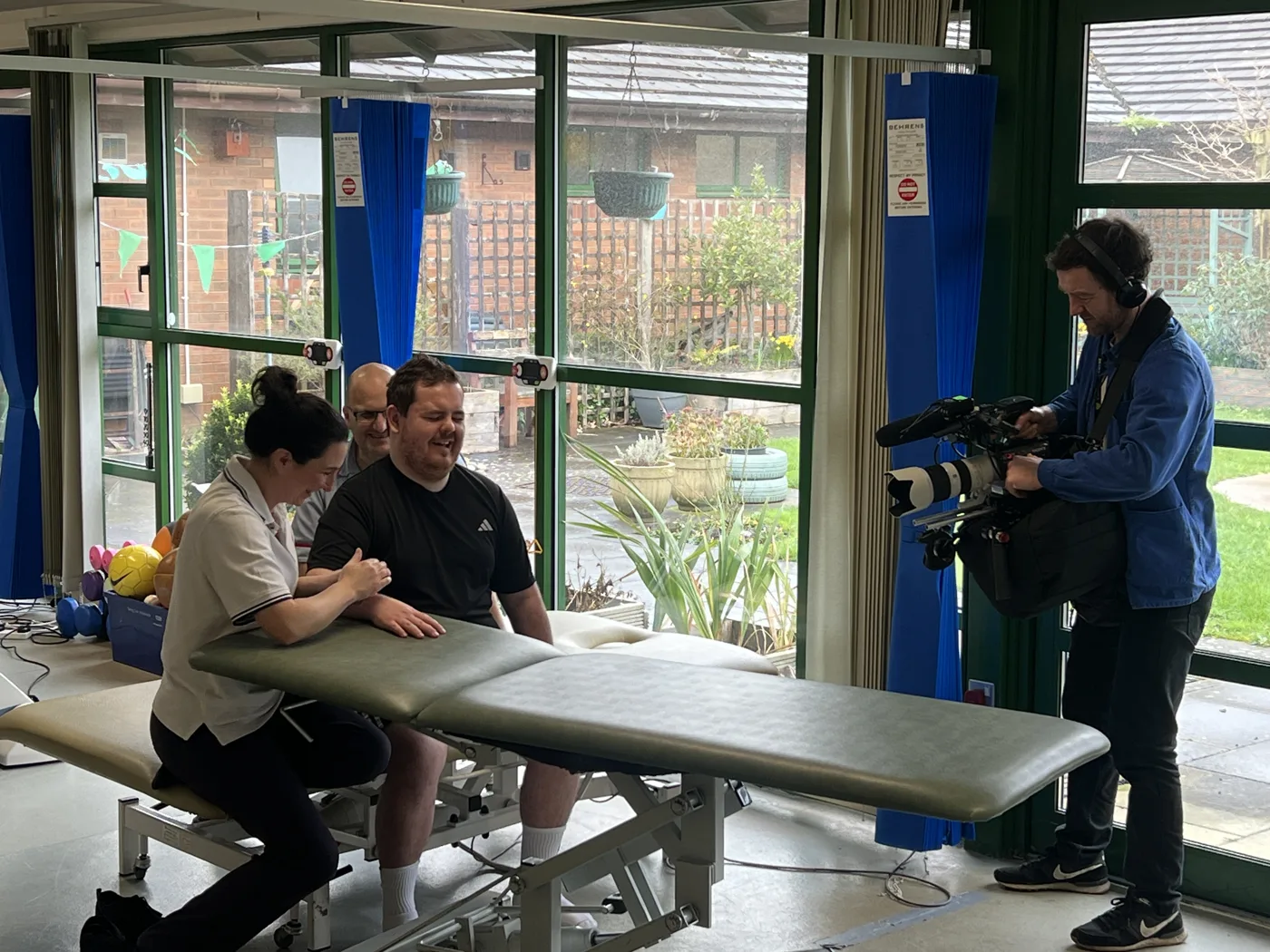
CRC has its own gym, a kitchen and recreational facilities. Therapists there assess each patient to work out what difficulties the stroke has left them with, according to the trust.
“Stroke can affect people of any age”
Janelle Holmes, the trust’s chief executive, said: “Dan’s story is deeply moving and inspiring. We are grateful to Channel 4 and the Stroke Association for highlighting the impact of stroke on young people through this powerful documentary.
“The documentary showcases the exceptional skill, compassion and dedication of the teams who support the recovery of patients like Dan. Rehabilitation following a serious stroke requires the expertise of many different professionals working together, and we are immensely proud of Katy and all the colleagues who supported Dan throughout his recovery.”
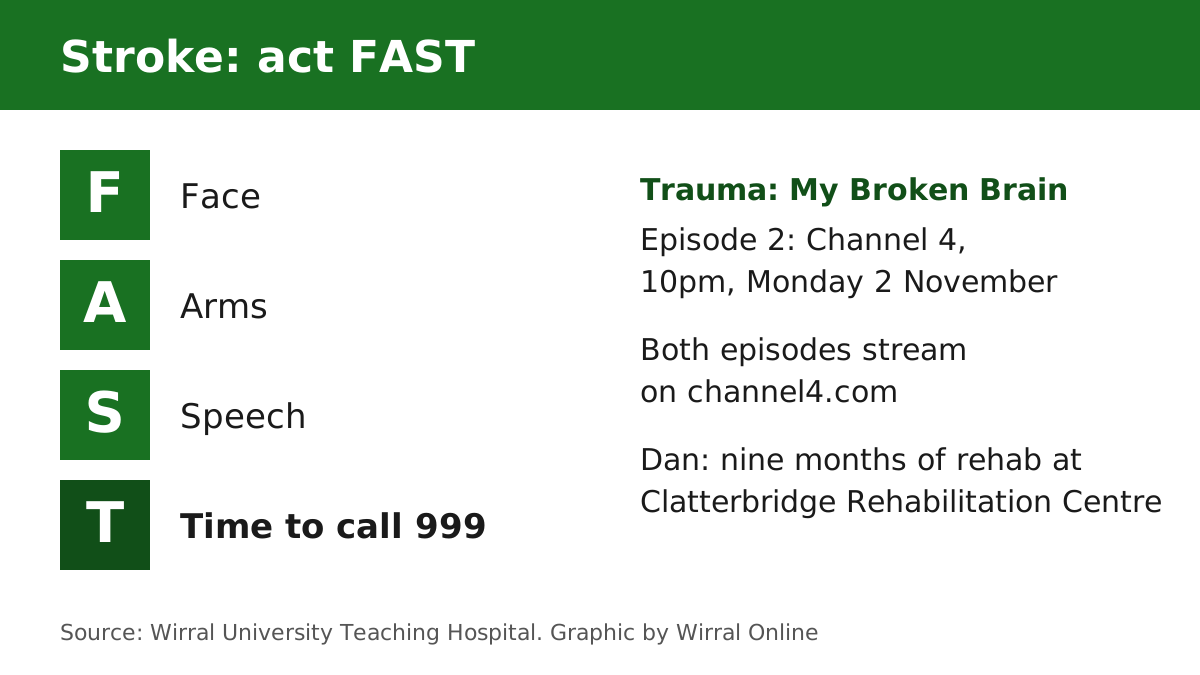
She added that Dan’s story is a reminder that a stroke can strike at any age: “Recognising the signs and acting FAST (Face, Arms, Speech, Time to call 999) can save lives and improve recovery. Early treatment, followed by specialist rehabilitation, gives people the best possible chance of regaining their independence and rebuilding their lives.”
How to watch
Episode one of Trauma: My Broken Brain is already on channel4.com. Episode two, the last, airs on Channel 4 at 10pm on Monday 2 November and will stream there too.
Have your say