
Wirral's NHS trusts are thanking nursing and maternity support workers this week. An Arrowe Park support worker and a matron say why the job matters.
Wirral’s two NHS trusts are marking Nursing Support Workers’ Day today, 23 November, and Maternity Support Worker Day tomorrow, 24 November, by thanking the support workers who work on their wards, in maternity and in the community. Wirral University Teaching Hospital NHS Foundation Trust, which runs Arrowe Park Hospital, and Wirral Community Health and Care NHS Foundation Trust say the roles are often seen as routine but involve work that keeps patients safe.
Overview
- What: Nursing Support Workers’ Day (23 November) and Maternity Support Worker Day (24 November).
- Who: Wirral University Teaching Hospital NHS Foundation Trust (WUTH) and Wirral Community Health and Care NHS Foundation Trust (WCHC).
- Why: both trusts say support workers are “often performing important interventions that help keep patients safe and well”.
What support workers do
The trusts list the work of clinical support workers as supporting nutrition and hydration, mobility and personal care, preventing falls, recognising when a patient is getting worse, helping patients keep their independence and supporting their recovery.
Maternity support workers give practical and emotional support to parents, babies and families through pregnancy, birth and the weeks after. That includes help with personal care, supporting newborn care, carrying out routine observations and, in the trusts’ words, “providing reassurance during some of life’s most important moments”.
“You know they feel safe and supported”
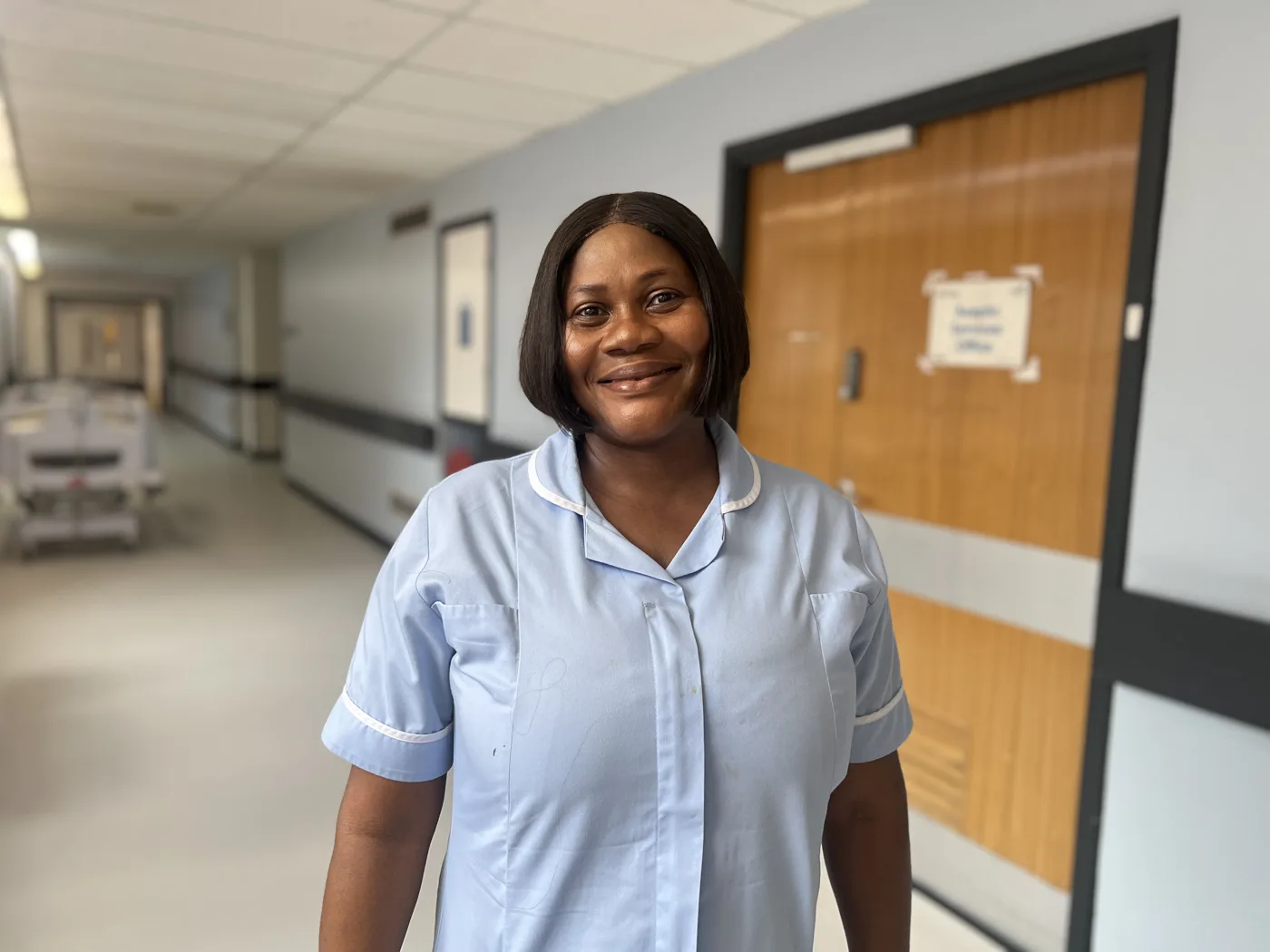
Shine Ahegbebu is a clinical support worker on an older people’s ward at Arrowe Park Hospital. She said:
“One of the best parts of the job is building relationships with patients. I often care for people living with dementia who may be confused about what’s happening around them, but when they recognise you and smile, you know they feel safe and supported.
“Moments like that remind me why I love my job. It can be challenging at times, but knowing you’ve helped someone feel reassured, valued and cared for is fantastically rewarding.”
From support worker to matron
The trusts say support workers often go on to more senior roles. Natasha Williams, now a matron, started in the NHS as a clinical support worker.
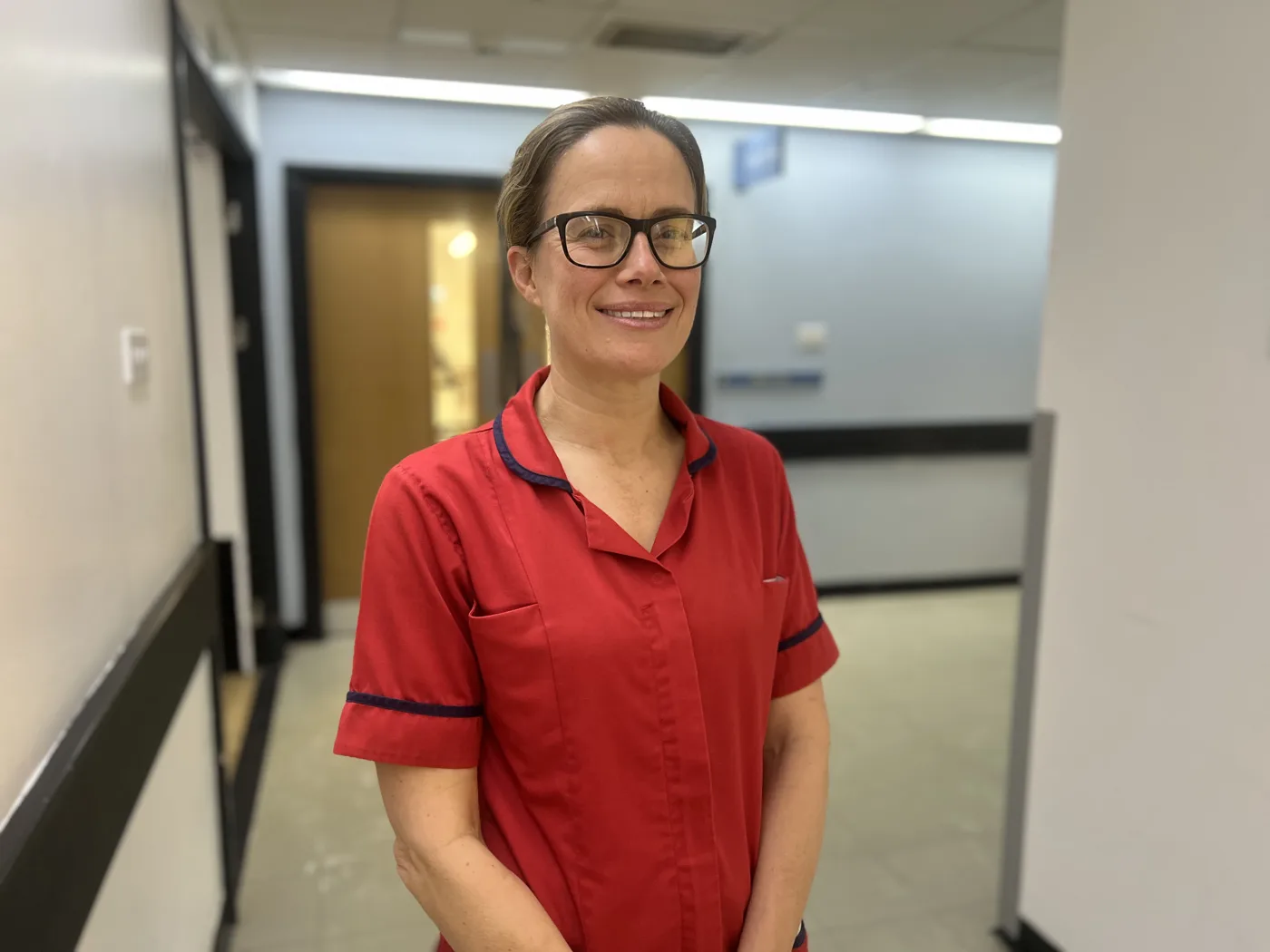
“Being a clinical support worker is what inspired me to become a nurse,” she said. “Having that experience means I know how important the role is in providing the best care to our patients.
“Support workers are often the first to notice when something isn’t quite right, whether that’s signs of clinical deterioration, pressure damage or a change in a patient’s wellbeing. They are also often the people patients feel most comfortable talking to about their concerns, fears and worries.
“The care, compassion and professionalism support workers bring to their role has a huge impact on patients and families. Nursing Support Workers’ Day and Maternity Support Worker Day are an important opportunity to recognise their contribution and thank them for everything they do.”
“A personal thank you”
Chris Douglas, Chief Nurse, said: “Nursing support workers and maternity support workers are highly skilled, compassionate professionals who are often at the heart of a patient’s experience of care. I want to say a personal thank you to all our support workers for the vital role they play in delivering safe, effective and person-centred care in our hospitals and the community.”
Earlier this month the hospital trust became the first in the North West to offer enhanced pre-eclampsia screening.
Source: Wirral University Teaching Hospital NHS Foundation Trust communications team.
Have your say